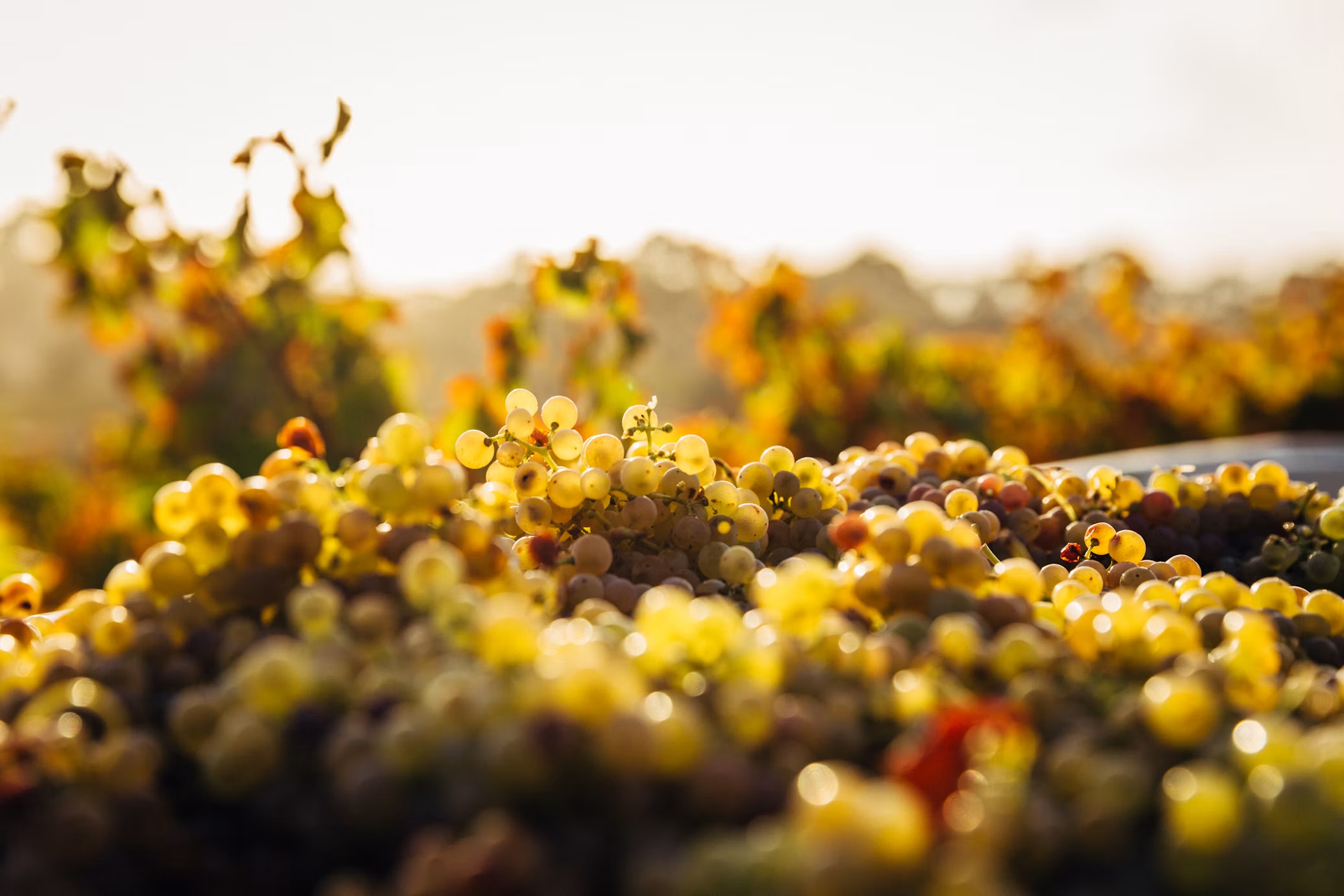
Three wine regions. Three very different ways to experience harvest season.
There is a moment in early autumn when a wine region stops being scenery and starts working. Tractors appear between the vines. Grape crates stack up outside cellars. Winegrowers disappear into the slopes before breakfast. Fresh must arrives at the table, taverns fill again and villages that felt sleepy a few weeks earlier suddenly have a reason to stay out late.
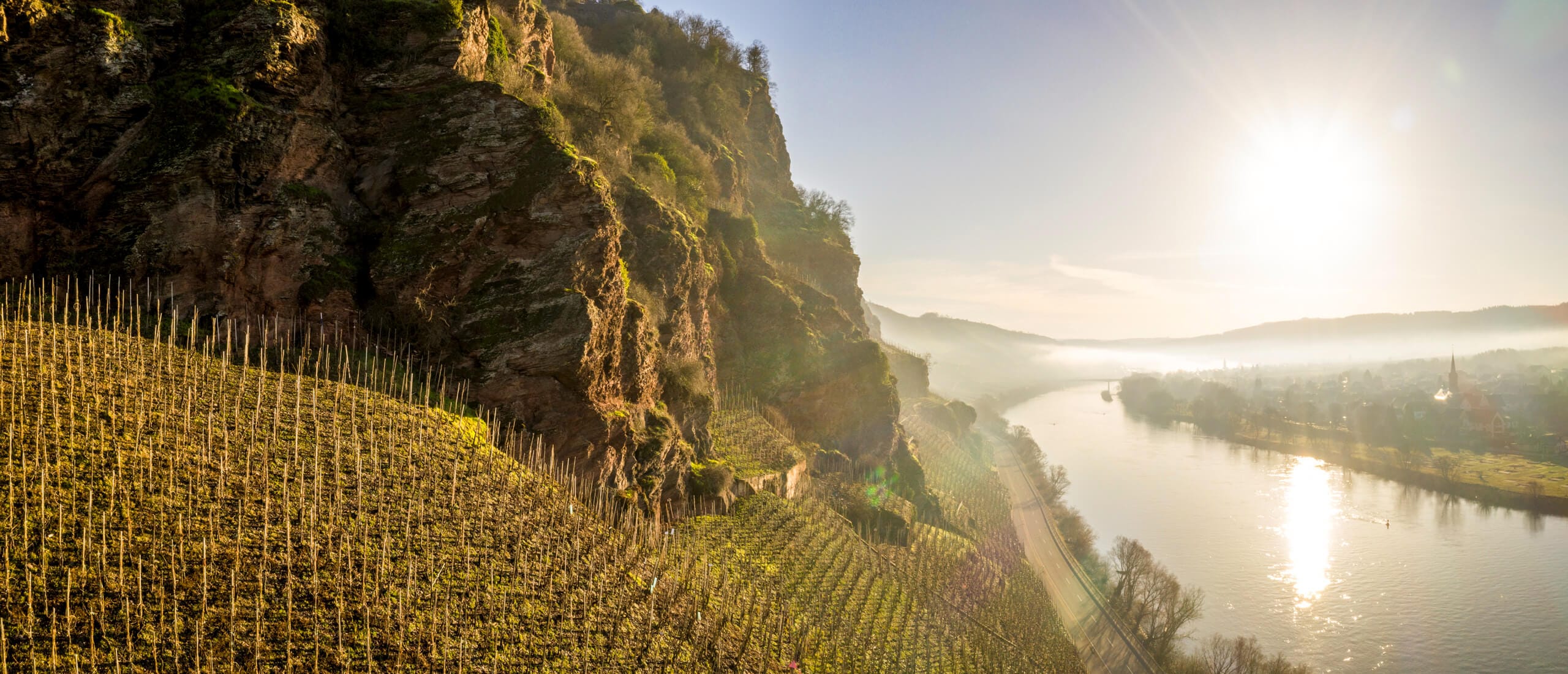
The Mosel is one of Europe’s most distinctive wine landscapes: vineyards climb extraordinarily steep slopes directly above the river, with Riesling growing on slate soils that store heat during the day and release it at night.
September and early October are particularly good months to visit. The vineyards are being harvested, wine villages hold their autumn festivals, seasonal Straußwirtschaften are open and the temperatures are much better suited to cycling and walking between the vines than in midsummer.
The region is best known for Riesling, but the real reason to spend a few days here is the combination: steep vineyards, small wine villages, cycling along the river and direct access to producers.
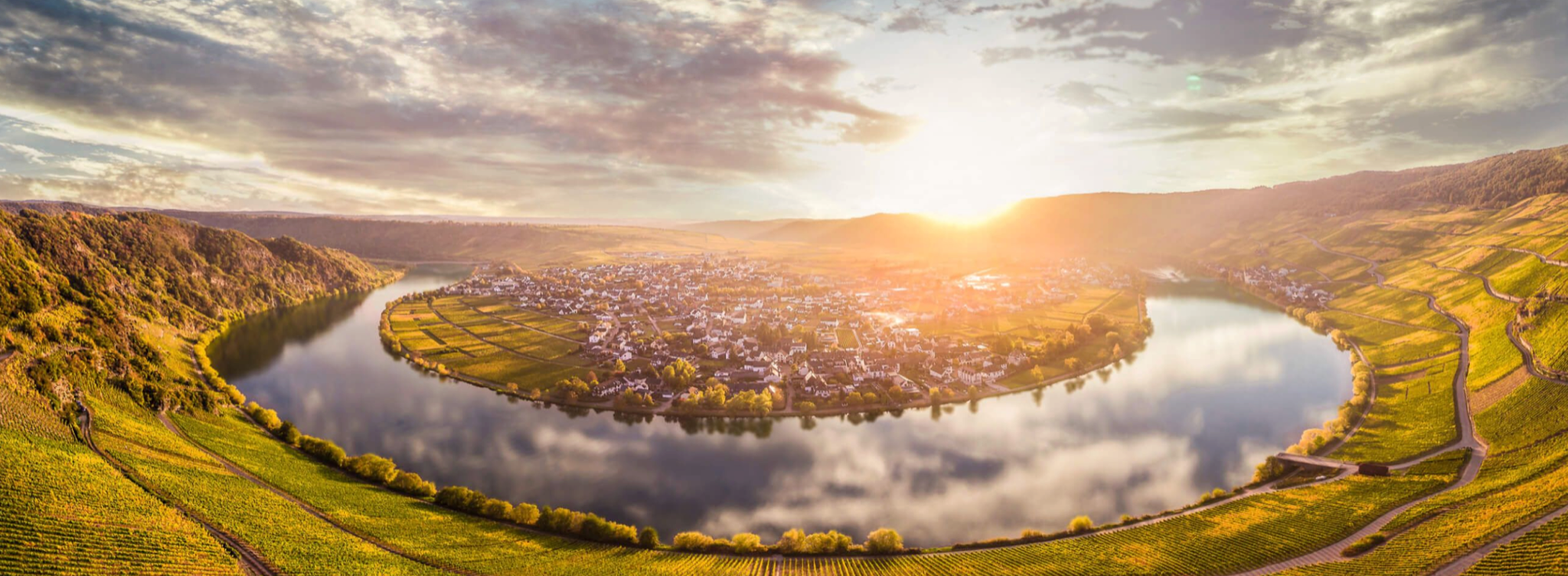
One of the easiest ways to explore the region. The riverside Mosel Cycle Route is largely flat, while vineyard routes climb higher into the slopes. A good half-day stretch is Kröv → Traben-Trarbach → Enkirch → Reil, with plenty of places to stop for wine or lunch.
For something more characteristic of the Mosel than the flat cycle path, head into the vineyard slopes. Around Kröv and Traben-Trarbach you quickly get above the river and see how extreme the gradient of some vineyards really is.
The town became one of Europe’s most important wine-trading centres around 1900. Its Art Nouveau architecture and extensive historic wine cellars make it worth visiting even without a tasting.
Skip generic wine bars for at least one tasting and visit a producer. During harvest, booking ahead matters because growers are actually working in the vineyards and cellar.
We’ve selected the best Mosel wine events and grape harvest experiences worth planning your visit around this autumn.
Erden · Middle Mosel
A traditional village wine festival showcasing wines from local Erdener producers alongside regional Mosel food and a lively street-festival atmosphere.
Riol · Middle Mosel
A guided walk through the vineyards around Riol, combining Mosel scenery with wine tasting and insights into the local vineyards and winemaking.
Pommern · Terraced Mosel
A guided walk through vineyards along one of the Mosel’s longest south-facing slopes, with wines tasted directly where the grapes are grown.
Pommern · Terraced Mosel
An evening pairing Mosel wines with chocolate, exploring how different styles and flavours work together. Starts at 17:00.
Expect: citrus, green apple, peach, high acidity, often a pronounced mineral character.
Mosel’s defining grape. The important thing is that Riesling can range from bone-dry to noticeably sweet.
Look for:
Trocken → dry, crisp, easiest with food.
Feinherb → slightly sweeter, but still fresh.
Kabinett → light-bodied and often with some residual sweetness.
Spätlese → riper, richer fruit; can be dry or sweet depending on the producer.
Eat with: trout, zander, seafood, pork, spicy Asian food.
Much lighter and more neutral than Riesling, with refreshing acidity. Particularly associated with the Upper Mosel.
Eat with: fish, simple cold plates, salads.
Increasingly interesting on the Mosel. Red berries, moderate tannin, lighter than many warmer-climate Pinot Noirs.
Eat with: duck, mushrooms, game, richer regional dishes.
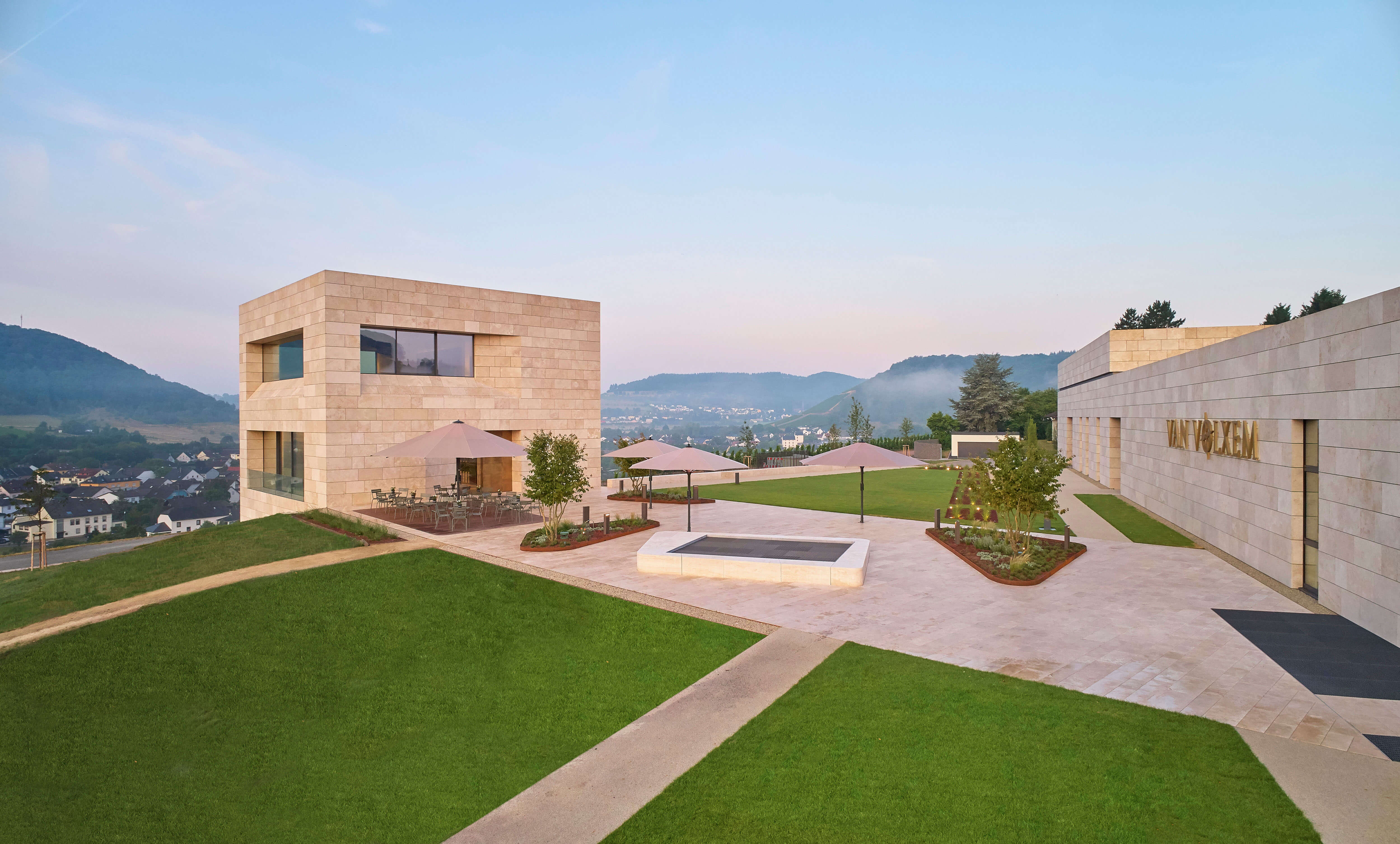
Sits in the Wiltinger Schlossberg vineyard, where a striking contemporary winery combines limestone façades, panoramic windows and landscaped grounds overlooking the Mosel wine country.
Enormous Riesling range, useful if you want to understand how vineyard, ripeness and sweetness completely change the same grape.
One of the best-known Mosel names and a good introduction to classic steep-slope Riesling.
Historic estate in Enkirch; particularly relevant if staying around Traben-Trarbach.
Zwiebelkuchen + Federweißer
The classic harvest-season combination: warm onion tart with partially fermented young wine.
Mosel trout
Often served simply with potatoes and butter; dry Riesling is the obvious pairing.
Debbekoche
A baked potato dish traditionally made with grated potatoes, onions and often bacon.
Wild / venison
Autumn brings game onto menus throughout the region. Pair it with Spätburgunder rather than Riesling.
Winzervesper
Bread, cheese, cured meat and spreads. Exactly what to order in a Straußwirtschaft when the wine is more important than dinner.
If the Mosel has caught your attention, here’s a complete 48-hour itinerary to help you make the most of your stay.
15:00 — Arrive in Kröv / Traben-Trarbach
Check in and leave the car.
16:00 — Vineyard walk above Kröv
Walk up into the vineyards for the first view over the Mosel.
18:00 — Wine tasting
Book one producer rather than trying several wine bars.
20:00 — Dinner
Regional food + dry Riesling or Spätburgunder.
If visiting 25 September: replace the evening programme with the Kröv Weinlesefest from 17:00.
09:30 — Bike to Traben-Trarbach
Continue along the river towards Enkirch and Reil. The route is mostly easy and lets you see several wine villages without driving.
12:30 — Lunch / Straußwirtschaft
Simple regional lunch rather than a full restaurant meal.
14:30 — Winery or vineyard experience
If visiting 3 October, book the Riol vineyard walk and tasting from 14:00 instead.
19:30 — Dinner in Traben-Trarbach
This is the evening for the better restaurant.
09:30 — Traben-Trarbach
Walk through the town and see the Art Nouveau wine-trading architecture.
11:00 — Historic wine cellar / final tasting
13:00 — Lunch
Then drive home rather than trying to squeeze another three vineyards into the afternoon.
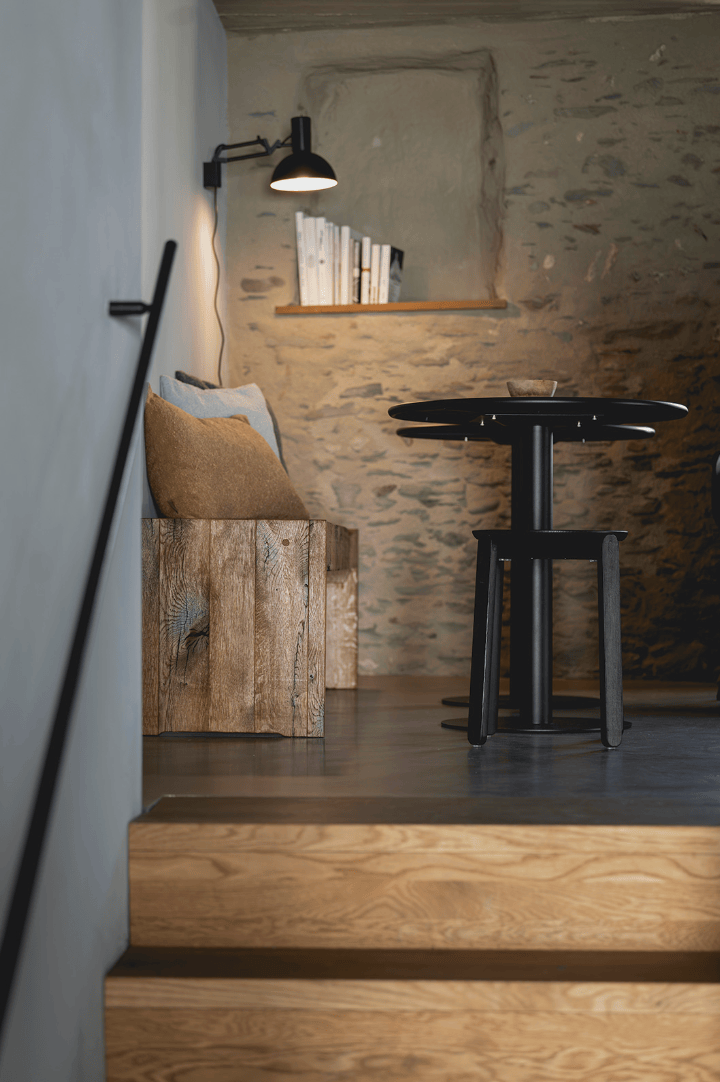
Klara Rooms brings two contemporary apartments into a carefully restored 1723 slate house, pairing original stone and oak with minimalist interiors and views towards the vineyards.
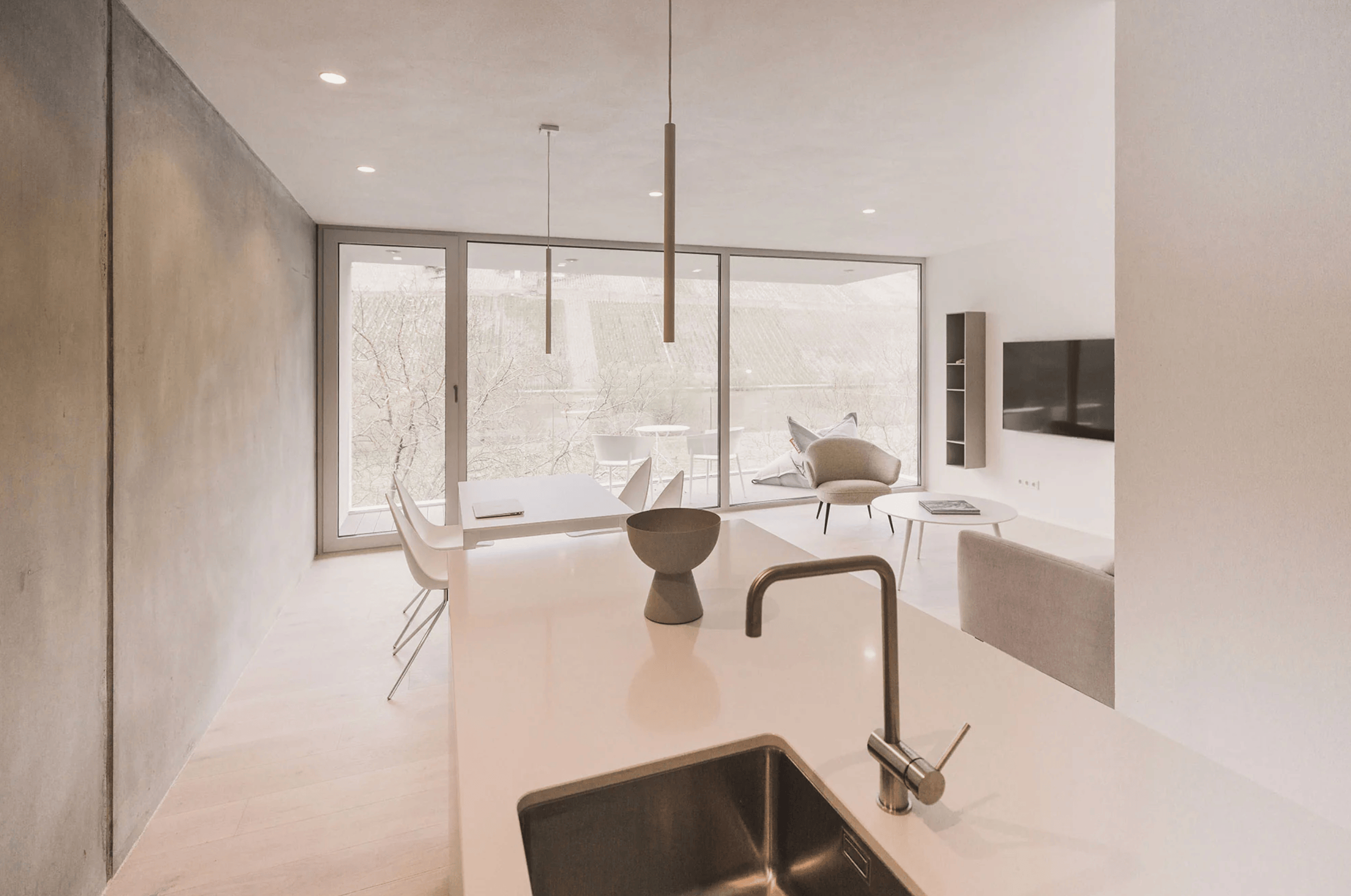
STEILLAGE Design Moselsuiten takes a more contemporary approach, with restrained interiors, panoramic glazing and private spaces facing directly into the steep Brauneberg vineyards.
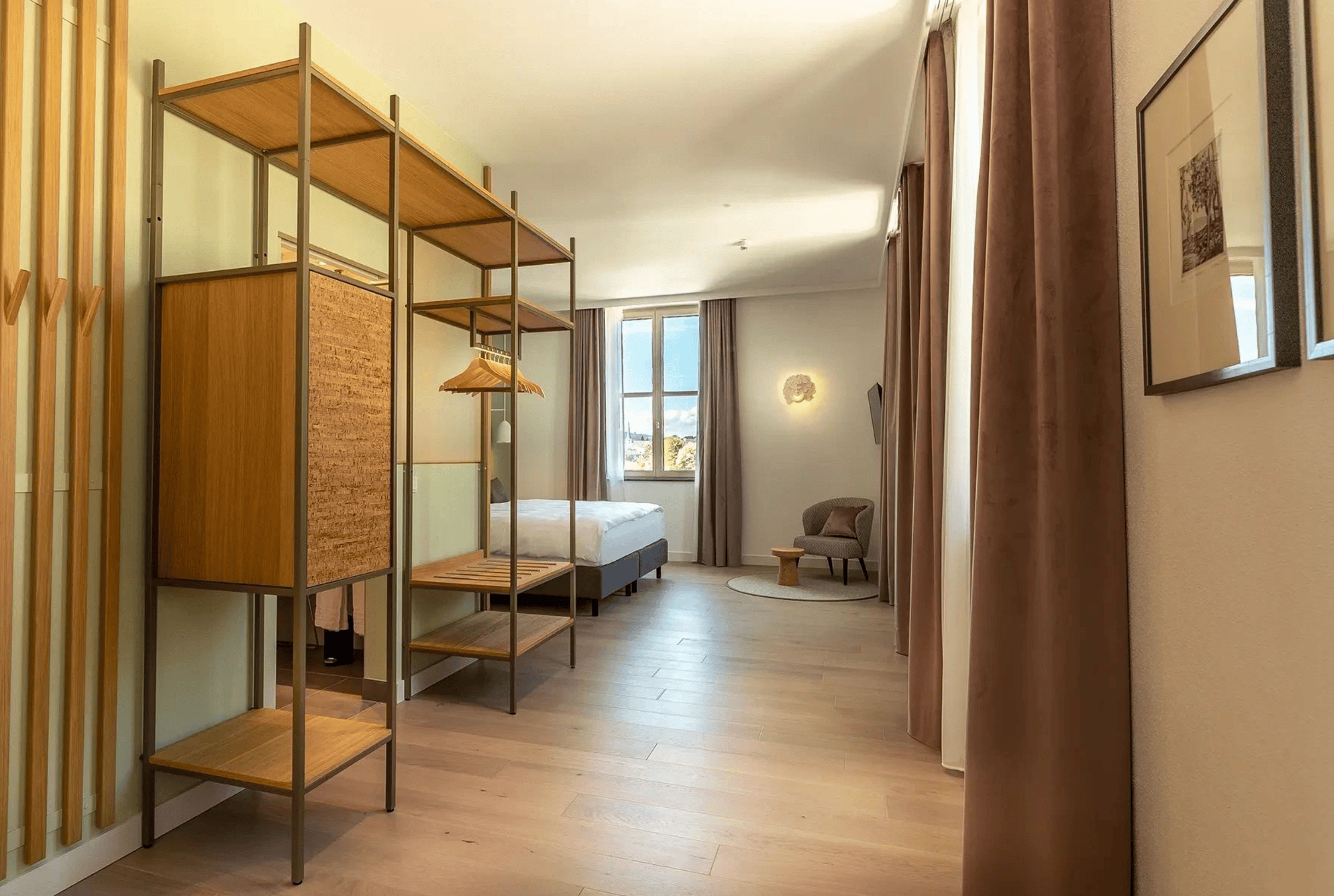
DEINHARD’s brings contemporary interiors into historic 17th-century buildings in the centre of Bernkastel-Kues, with a rooftop spa, wine-focused spaces and views across the Mosel vineyards.
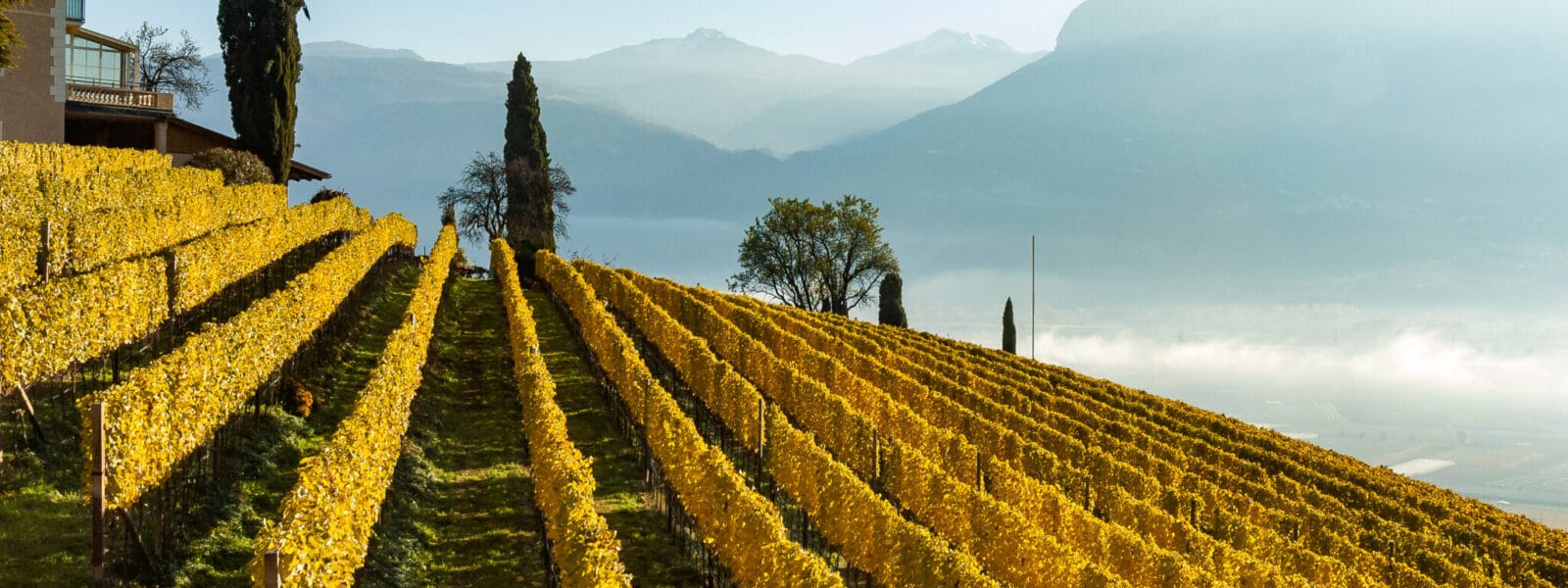
The South Tyrolean Wine Road runs for around 150 kilometres through vineyards, historic wine villages and castles between Nals and Salurn, passing through 15 villages and the wine city of Bolzano. Around Kaltern and Tramin, the landscape feels almost Mediterranean: vineyards sit beneath Alpine peaks alongside orchards, cypress trees, figs and Kalterer See.
In 2026, South Tyrol’s harvest started earlier than ever recorded after an exceptionally warm spring and summer. South Tyrol grows more than 20 grape varieties between roughly 200 and 1,000 metres above sea level.
The Kalterer Weinweg starts close to the centre of Kaltern and runs through the surrounding vineyards in a figure-eight shape, either towards Kalterer See or north towards Oberplanitzing. Along the trail, the historic names of individual vineyard sites are marked in the ground, while the accompanying wine guide explains their soils, climate and grape varieties.
In Tramin, follow the 2.7 km Gewürztraminer Trail through vineyards and forest above the village. It takes roughly 1–1½ hours and gains only around 110 metres. This is the walk to do before tasting Gewürztraminer: you are literally walking through the slopes where the grape has become most closely associated with South Tyrol.
The wine villages are close enough to connect by bike. A good day route is Kaltern → Kalterer See → Tramin → Kaltern, with wineries, vineyards and places to stop for lunch along the way. An e-bike makes sense once you leave the valley floor. The official Wine Road cycling programme also runs guided wine-and-bike tours through the vineyards.
For an easier morning, the full circuit around Kalterer See is 7.5 km and around two hours. The path runs through orchards and vineyards before crossing the protected reed landscape at the southern end of the lake. Autumn is specifically recommended as one of the best times for the walk.
South Tyrol’s wine culture is also architectural. Contemporary cellars sit beside centuries-old estates throughout the Wine Road. Two particularly interesting examples are the green, vine-inspired building of Cantina Tramin, designed by Werner Tscholl, and Manincor near Kalterer See, whose three-storey cellar was constructed almost entirely beneath the vineyard.
We’ve selected the best South Tyrol wine events and grape harvest experiences worth planning your visit around this autumn.
Tramin · from 17:00
Two evenings celebrating the grape harvest and the arrival of the Neue, the new wine. Expect roasted chestnuts, Krapfen, South Tyrolean food, wines from Tramin and live traditional music in the village festival grounds.
Kaltern · 10:00–18:00
Kaltern’s winemakers take over the historic village centre to pour a selection of their wines alongside dishes created to accompany them. A particularly good date if you want to taste several producers without booking separate winery visits.
Girlan · 11:00–15:00
One of the events most directly connected to the actual harvest. The final load of grapes is brought to Tannerhof, pressed in a historic wine press and the fresh grape must is offered to visitors for tasting.
Tramin · from 14:30
The historic centre becomes pedestrian-only for an afternoon and evening of wine. Producers set up along the decorated village streets, serving Tramin wines alongside South Tyrolean food, music and autumn specialities.
Expect: rose petals, lychee, cloves, tropical fruit and a rich, intensely aromatic texture.
Tramin gives the grape its name, and the surrounding warm, well-ventilated slopes are still one of its most important growing areas. Despite its powerful aroma, many South Tyrolean Gewürztraminers are dry rather than sweet.
Eat with: seafood, spicy Asian food, aromatic vegetable dishes, blue cheese.
Expect: fresh red berries, violet, low tannin and an unusually light, juicy structure for a red wine.
This is the grape behind Kalterersee, one of the wines most closely associated with Kaltern. It is particularly good slightly chilled.
Eat with: Speck, cured meats, pasta, veal, cheese and classic South Tyrolean dishes.
Expect: dark berries, cherry, violet, spice and a fuller, velvety body.
An indigenous South Tyrolean variety with its historic centre around Bolzano. It is substantially darker and more structured than Vernatsch.
Eat with: beef, venison, game and mature hard cheese.
Expect: red and dark berries, violet, cloves, elegance and relatively soft tannins.
For Pinot Noir, look towards Mazon above Neumarkt, one of South Tyrol’s particularly important growing sites for the variety.
Eat with: game, lamb, rabbit and mature cheese.
The obvious place to understand Gewürztraminer. The cooperative was founded in 1898, while its striking contemporary extension by Werner Tscholl takes its shape from the vines surrounding it. A guided tasting is particularly useful because you can compare different expressions of Gewürztraminer rather than drinking it in isolation. Official 2026 cellar tours with five wines run on selected Tuesdays through October.
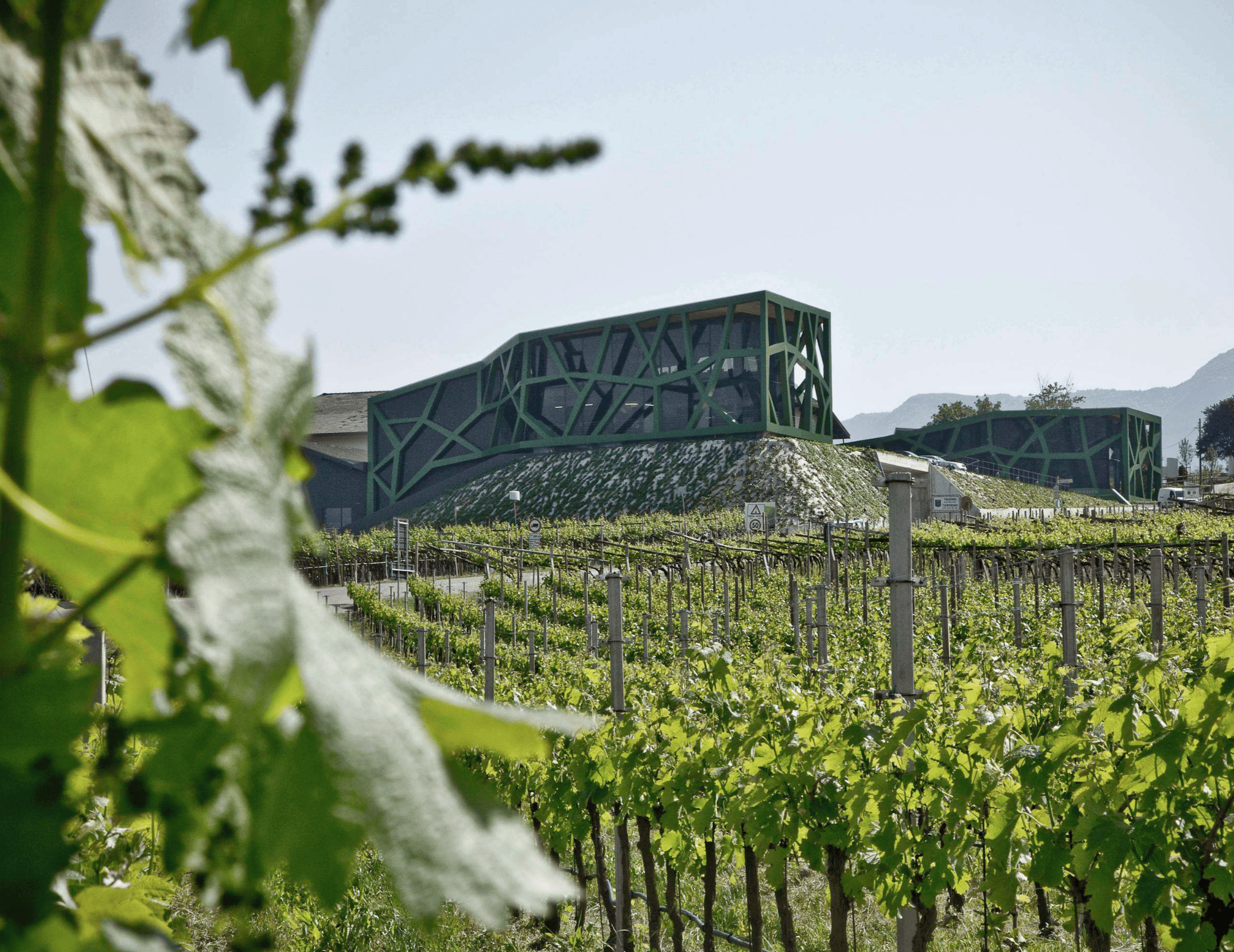
A 400-year-old estate near Kalterer See paired with a contemporary underground winery by Walter Angonese and Rainer Köberl. The vineyards are farmed biodynamically and the cellar operates largely by gravity rather than pumping. Worth visiting for the architecture almost as much as for the wine.
One of South Tyrol’s best-known wine estates, with vineyards around Tramin and Kaltern. Its Vigna Castel Ringberg above Kalterer See can be visited on selected Wednesdays and Saturdays during harvest season, combining a vineyard tour with a tasting on the castle terrace.
Schlutzkrapfen
South Tyrol’s half-moon shaped rye-and-wheat pasta, traditionally filled with spinach and curd cheese and served with brown butter, Parmesan and chives.
Speck + Schüttelbrot
One of the simplest and most useful things to order with wine: South Tyrolean cured ham with hard, crisp rye flatbread. Pair it with chilled Vernatsch.
Knödel
Bread dumplings appear in several forms, including Speckknödel. They can be served in broth, with salad or alongside meat dishes.
Törggelen
More an autumn ritual than a single dish. A traditional meal can include soup, Schlutzkrapfen, dumplings, sausages, smoked meat or ribs, sauerkraut and finally Krapfen and roasted chestnuts.
Roasted chestnuts + new wine
The autumn combination to try at least once. Chestnuts are served with Siaßer, fresh grape must, or young wine that has only recently begun fermenting.
If South Tyrol’s wine country has caught your attention, here’s a complete 48-hour itinerary around Kaltern and Tramin.
15:00 — Arrive in Kaltern
Check in and leave the car.
16:00 — Kaltern Wine Trail
Walk through the vineyards immediately around the village. You don’t need to complete the entire trail, use the first afternoon to understand the landscape.
18:00 — Wine tasting
Start with three completely different wines: Gewürztraminer, Vernatsch and Lagrein.
20:00 — Dinner / Törggelen
If the season has started, choose a Buschenschank or farmhouse inn and make this your traditional South Tyrolean dinner.
09:30 — Bike from Kaltern to Tramin
Ride via Kalterer See and through the vineyards towards Tramin.
10:30 — Gewürztraminer Trail
Leave the bike in the village and walk the short 2.7 km loop above Tramin.
12:30 — Lunch in Tramin
Keep it simple: Speck, Schlutzkrapfen or Knödel rather than a long tasting menu.
14:30 — Winery tasting
Visit Cantina Tramin or another producer in the village and taste Gewürztraminer where it grows.
If visiting 26 September or 10 October: return to Kaltern for the Törggele Festival.
If visiting 3 October: spend part of the afternoon at Kaltern Wine Culinarium, then head to Tramin for the Autumn Festival from 17:00.
If visiting 17 October: stay in Tramin for the Tramin Wine Lane from 14:30.
09:30 — Walk around Kalterer See
The 7.5 km loop takes about two hours and runs through vineyards, orchards and the lake’s protected reed landscape.
12:00 — Lunch
Order something lighter and a glass of Kalterersee Vernatsch.
14:00 — Final winery
Finish with a tasting around Kaltern rather than trying to cover another part of South Tyrol.
Then leave, with the Dolomites still visible behind the vineyards.
Seehotel Ambach is one of South Tyrol’s genuine design landmarks: a 1970s lakeside hotel by architect Othmar Barth, still defined by its sculptural curves, original details and direct relationship with the landscape. A contemporary Badehaus extends the architectural story directly beside the lake.
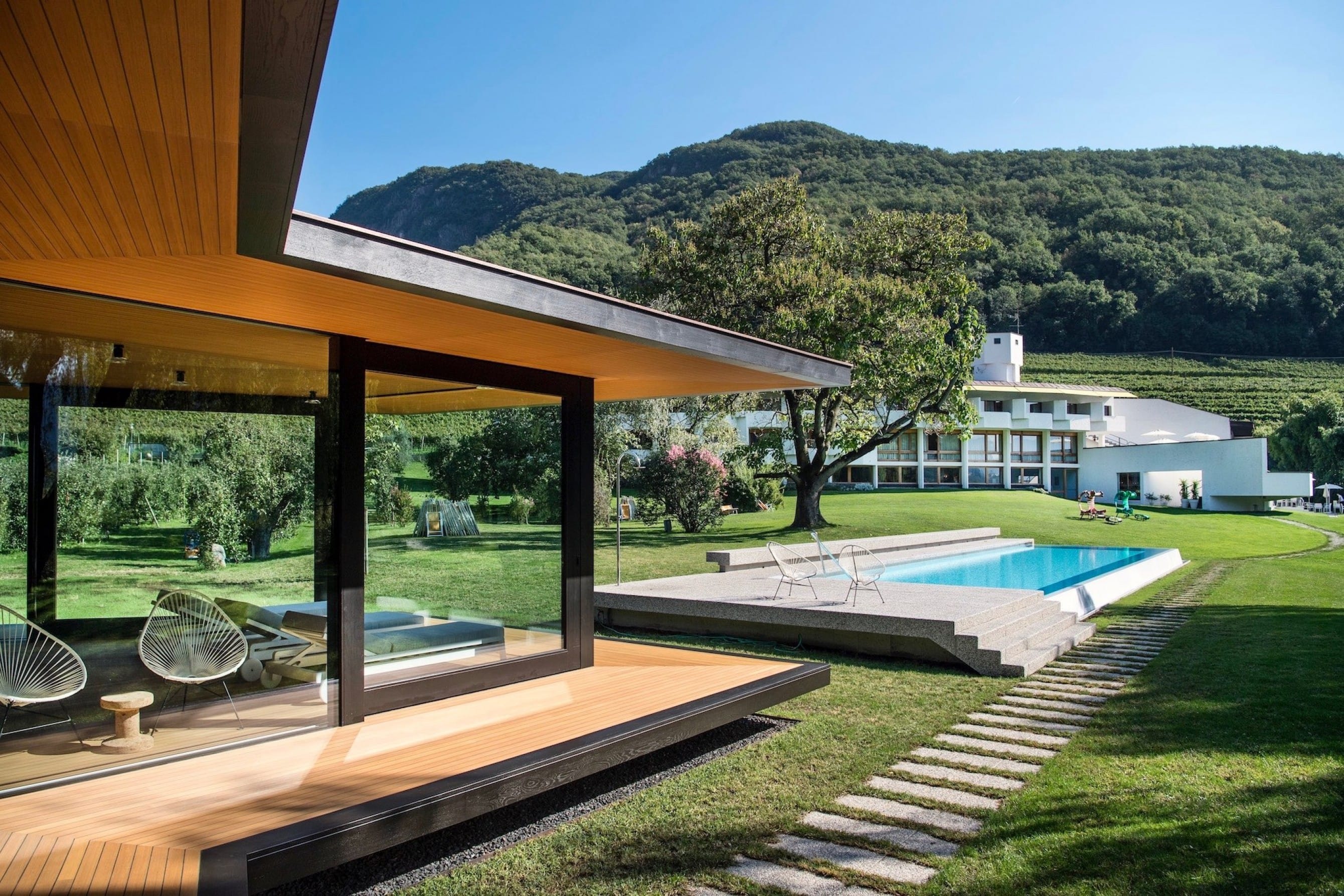
Das Wanda is a small adults-only hideaway surrounded by vineyards, with just 12 suites and six studio apartments. Restrained contemporary interiors, a concrete indoor infinity pool and views across the vineyards make it a quieter alternative to a conventional South Tyrolean hotel.
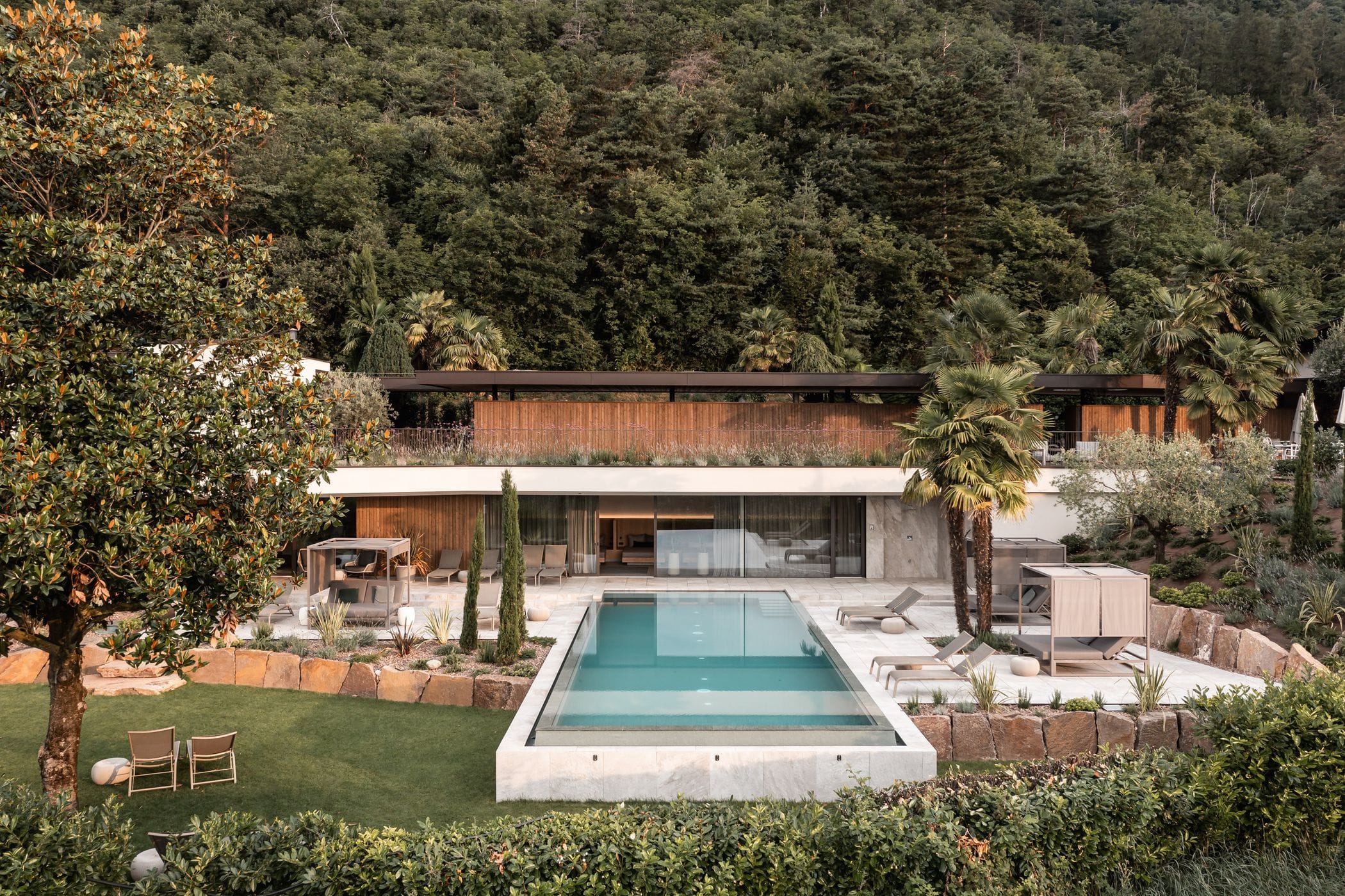
GIUS La Residenza takes a more expressive approach to design, mixing clean architecture with retro touches, colour, art and a strong wine focus. Suites, a small spa and its own vinothek put it within easy reach of both Kaltern village and the surrounding vineyards.
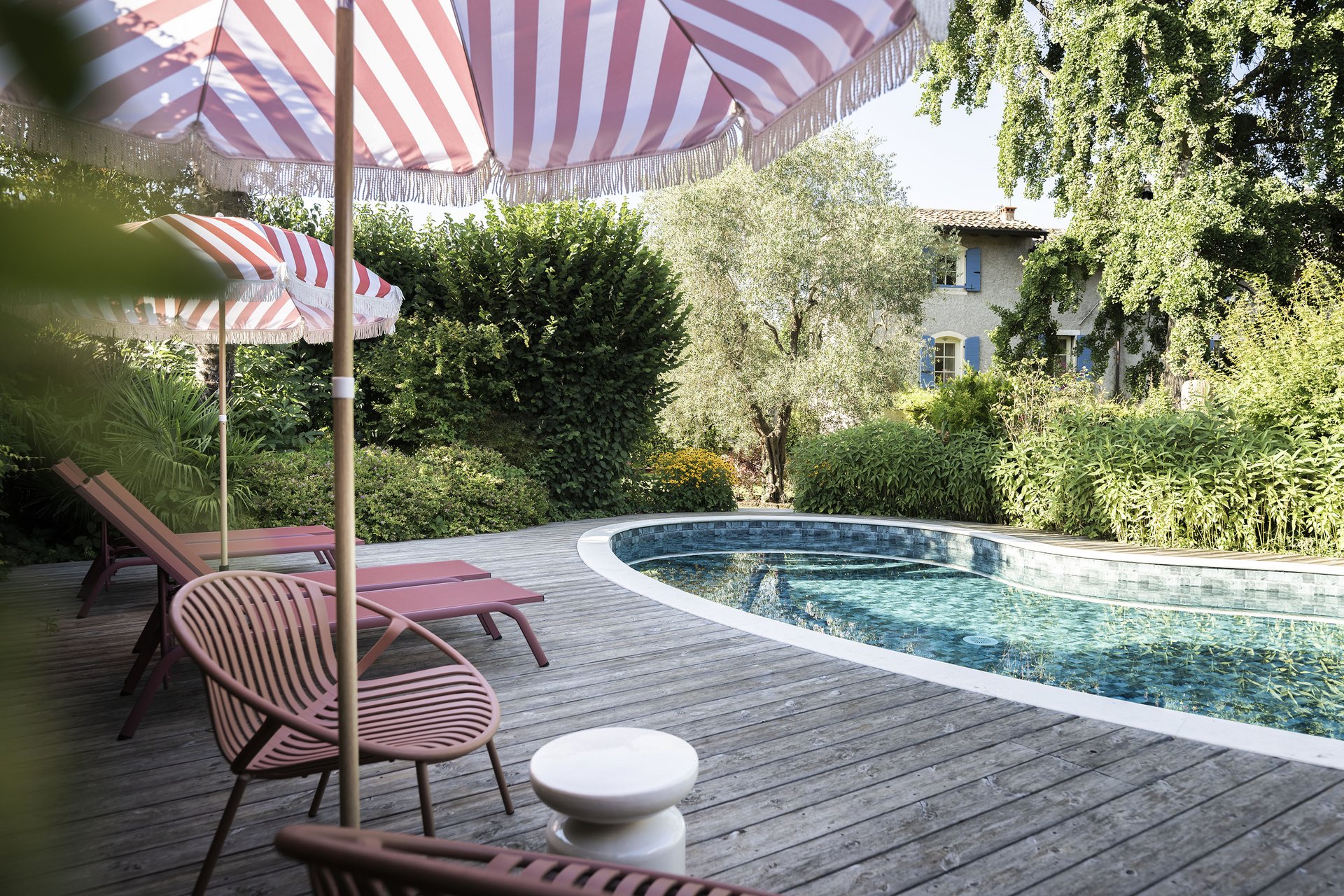
The Wachau is one of Austria’s most distinctive wine regions: steep dry-stone vineyard terraces rise directly above the Danube between historic villages such as Dürnstein, Weißenkirchen and Spitz.
September and October are particularly good months to visit. The grapes are being picked, the terraces turn golden, Sturm (partially fermented young wine) begins appearing at local taverns and the region moves into its Weinherbst season. In Spitz alone, the Spitzer Weinherbst runs from 4 September to 26 October 2026, bringing winemakers, tastings and events directly into the vineyards.
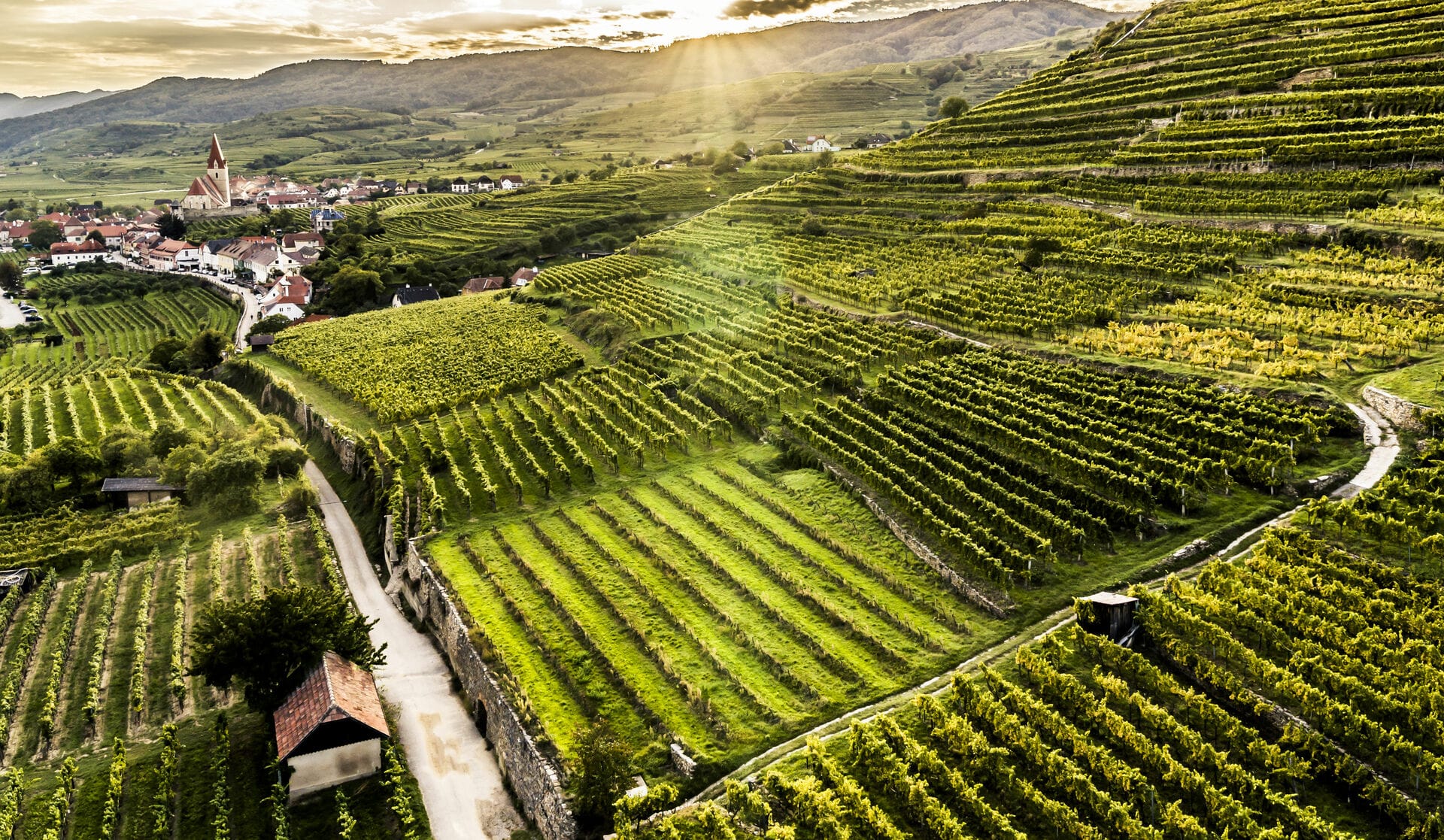
One of the best ways to understand the Wachau landscape is on foot. The Weißenkirchen → Spitz section of the World Heritage Trail runs for 10.5 km, takes around 3 hours 15 minutes and climbs 353 metres through some of the region’s most impressive terraced vineyards. The route passes vineyards such as Kollmitz, Kollmütz and Hochrain before entering Spitz through the historic Rotes Tor.
The Wachau section of the Danube Cycle Path connects Spitz, Weißenkirchen and Dürnstein with very little climbing. For a relaxed day, cycle the northern bank and use one of the small ferries at Spitz–Arnsdorf or Weißenkirchen–St. Lorenz to cross the Danube and return along the quieter southern side.
Dürnstein combines wine with one of the Wachau’s most recognisable historic settings. Walk through the old town, see the blue tower of Dürnstein Abbey and climb towards the castle ruins above the village for a view across the Danube and vineyards. Go early in the morning or later in the afternoon if you want to avoid the busiest hours.
Don't make every wine stop a formal tasting. A Heuriger is traditionally run by a winegrower serving their own wine alongside simple regional food. Order a cold plate, Wachauer Laberl, cheese and spreads and let the wine be the main event.
We’ve selected the best Wachau wine events and grape harvest experiences worth planning your visit around this autumn.
Spitz · 13:00–17:00
Local winemakers pour their wines directly in the steep vineyard terraces around Rotes Tor, Ruine Hinterhaus and 1000-Eimerberg. Different producers take over each Saturday, making this one of the best opportunities to taste Wachau wine exactly where it grows. Weather dependent.
Spitz · Monday–Friday · from 07:00
One of the most hands-on harvest experiences in the region. Guests can actually join the grape picking at Weingut Lagler for either half a day or a full day.
The experience costs €35 including food and requires registration at least two days ahead. It only runs in suitable weather.
Spitz · from 10:00
A traditional procession carries decorated guild symbols, grapes and the harvest crown through Spitz before the church service. Afterwards, local winemakers serve the first Sturm of the new vintage, accompanied by bread, fresh grapes and apples.
Spitz · 16:00–22:00
Spitz wines and small regional dishes are served inside the vaulted cellar and courtyard of Schloss Spitz. A particularly atmospheric option for an autumn evening after walking through the vineyards. No reservations.
Expect: green and yellow apple, citrus, herbs and the characteristic peppery spice associated with the variety.
The Wachau’s defining grape and an exceptionally versatile food wine. Lighter versions are fresh and crisp, while wines from ripe grapes and top vineyard sites can become powerful, textured and highly age-worthy.
Eat with: freshwater fish, vegetables, mushrooms, chicken, veal, Wiener Schnitzel or even asparagus.
Expect: peach, apricot, citrus, floral notes, pronounced acidity and a mineral character.
Wachau Riesling is generally dry and can become considerably richer and more structured in the region’s warmer vineyard sites.
Some of the most renowned Riesling terraces are found around Spitz and Weißenkirchen, including Singerriedel, where the steep stone terraces are particularly well suited to the variety.
Eat with: trout, char, zander, seafood and lighter pork dishes.
A much less common variety, but one with particularly strong ties to the Wachau: according to Austrian Wine, the variety takes its name from vines historically planted on the Spitzer Burgberg.
Expect: subtle aromas, a full but gentle body and, with maturity, characteristic nutty notes.
Eat with: poultry, mild cheese and creamy dishes.
These words describe the style of the wine, rather than the grape variety.
Steinfeder → light, fragrant and fresh, up to 11.5% alcohol.
Federspiel → more depth and character while remaining elegant, up to 12.5%. A particularly useful style with food.
Smaragd → the richest and most complex style, made from grapes that remain longer on the vine; at least 12.5% alcohol and capable of ageing.
The Vinea Wachau categories are dry and made without noticeable oak influence.
Based in the historic 13th-century Mauritiushof, now paired with a contemporary wine-experience extension and modern Kalmuck cellar. Book a tasting here if you want to combine serious Wachau wines with architecture and a direct view towards the famous Singerriedel vineyard.

Probably the easiest place to start if you want to understand Wachau wine rather than simply taste it. Compare Grüner Veltliner and Riesling across Steinfeder, Federspiel and Smaragd. The tasting room accepts walk-ins, while guided estate tours go through the vineyards and historic Baroque cellar before a commented tasting.
A particularly strong address for Grüner Veltliner and Riesling, with a clear focus on expressing the individual vineyard sites around Weißenkirchen. Their philosophy is essentially “from stone to wine”: the character of each vineyard should remain recognisable in the glass. Contact the winery ahead during harvest.
One of the names most closely connected with modern Wachau wine culture and one of the founding estates behind Vinea Wachau. Look particularly for Riesling Singerriedel and Grüner Veltliner from sites such as Honivogl and Rotes Tor. Advance contact is recommended for visits.
Wachauer Laberl + Liptauer
The local crusty bread roll with a creamy, paprika-seasoned cheese spread. One of the classic combinations to order at a Heuriger.
Brettljause
Cured meat, sausage, cheese, spreads, pickles and bread. Simple, regional and exactly right alongside Grüner Veltliner.
Freshwater fish
Look for trout, char or zander. Pair with dry Riesling or Grüner Veltliner Federspiel.
Sturm
Partially fermented grape juice available during harvest season. Cloudy, lightly sparkling, fruity and still actively fermenting.
Wachauer Marille
Fresh apricot season is largely over by grape harvest, but the region’s famous Wachauer Marille still appears in jams, desserts, dumplings, schnapps and liqueurs.
If the Wachau has caught your attention, here’s a complete 48-hour itinerary to help you make the most of your stay.
15:00 — Arrive in Dürnstein
Check in and walk through the old town.
16:00 — Dürnstein vineyards / castle walk
Climb above the village for your first view across the Danube and terraced vineyards.
17:30 — Wine tasting
Start at Domäne Wachau and compare Grüner Veltliner and Riesling — ideally Federspiel against Smaragd.
19:30 — Heuriger
Keep dinner simple: Wachauer Laberl, spreads, cured meats and local wine.
09:30 — Weißenkirchen
Start the 10.5 km World Heritage Trail to Spitz. Allow around 3½ hours with stops.
13:00 — Arrive in Spitz
If visiting on 26 September or 3, 10, 17 or 24 October, head directly to Spitzer Winzer in den Weinterrassen and taste wines at Rotes Tor, Ruine Hinterhaus or 1000-Eimerberg.
16:30 — Spitz
Walk through the village or book a tasting at Weingut FJ Gritsch.
19:30 — Dinner
Choose a proper restaurant or, on selected October weekends, finish the day at the Schloss Heurige.
09:30 — Cycle the Danube
Follow the river between Spitz → Weißenkirchen → Dürnstein.
Cross to the quieter southern bank by ferry if you want to turn it into a loop rather than riding the same route back.
If visiting 4 October: skip the morning bike and go to the Harvest Thanksgiving in Spitz instead, where the first Sturm of the vintage is served after the celebrations.
13:00 — Lunch
One last Grüner Veltliner and something regional before leaving.
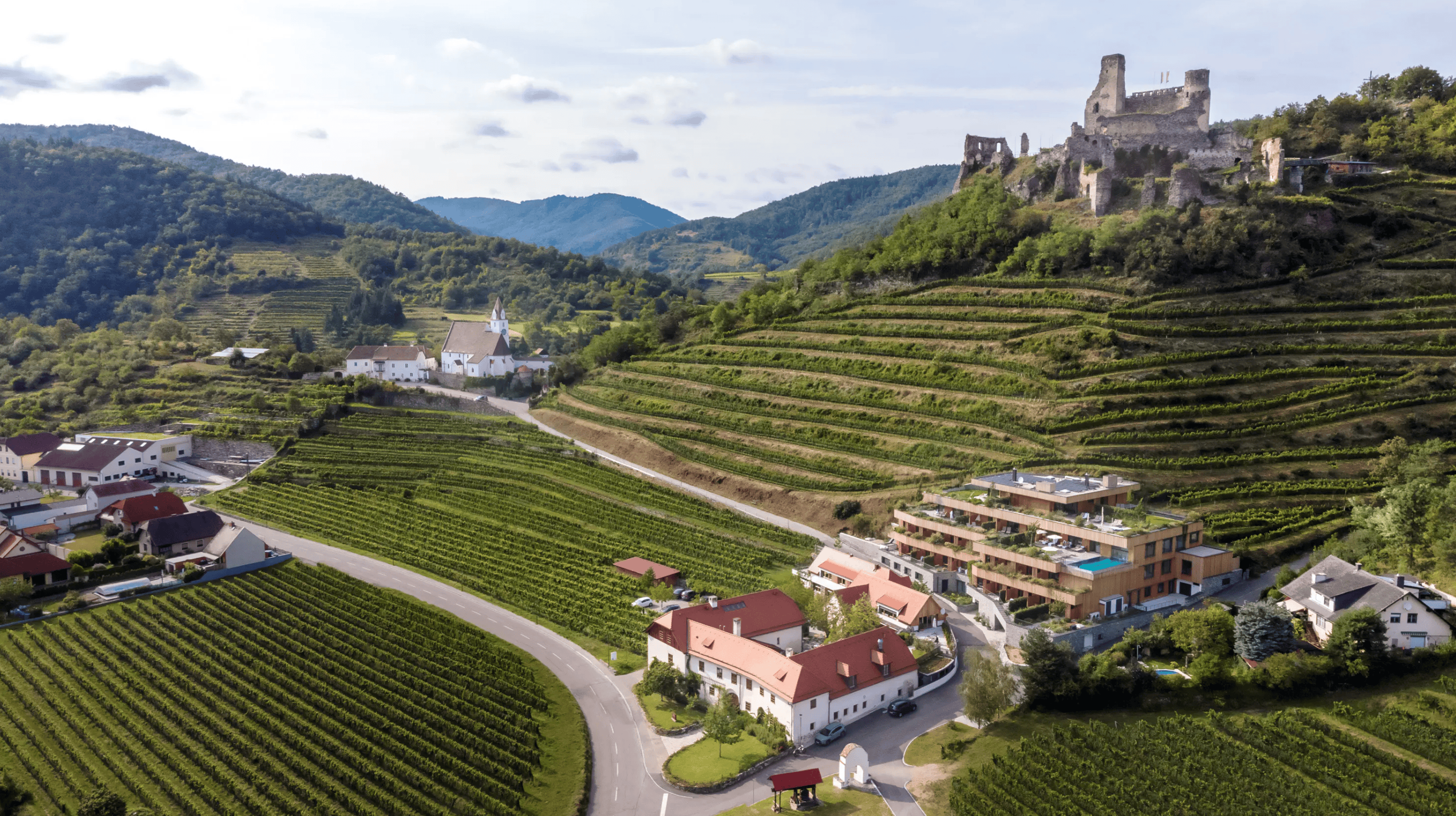
The Red Gate is a small contemporary retreat surrounded by the vineyards above Spitz, with just five individually designed suites, natural materials, soft interiors and private terraces. A heated outdoor steel pool and sauna make it particularly good after a day on the vineyard trails.
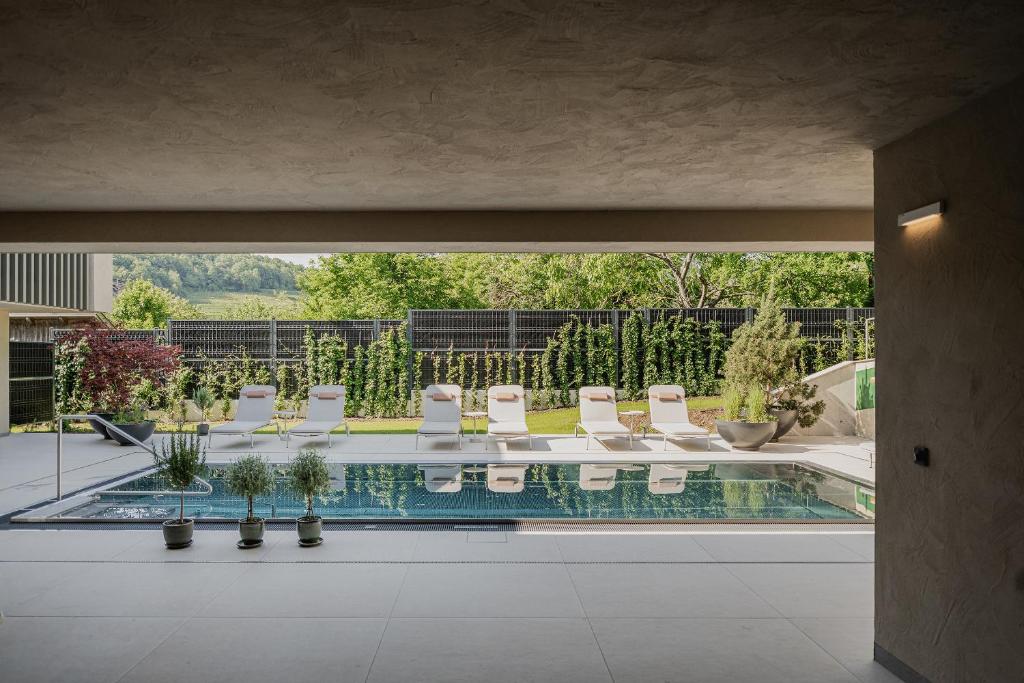
MALAT Weingut und Hotel combines contemporary architecture, local stone and warm oak with just ten suites set directly among the vineyards, overlooking Göttweig Abbey.

Hotel & Spa Nigl pairs a family-run winery with a contemporary spa hotel built into the vineyard landscape, featuring an infinity pool and wide views across the Kremstal.
Be among the first to receive our latest FIELD GUIDES, seasonal escapes and stays worth travelling for, straight to your inbox.
Für noch mehr Inspirationen abonnieren Sie unseren Instagram Kanal. Wir posten mehrmals pro Woche. Die schönsten und wundervollsten Unterkünfte gibt es nur bei uns.